96 hr
Ha Giang Loop 4-Day Motorbike Adventure
- Expert local guide
- Small group
- Skip-the-line access
- Free cancellation
Ha Giang Loop From Sapa to Hanoi — Guided Motorbike Adventures
Rice terraces, karst peaks, and winding mountain roads, three to four days through Vietnam's far north
Compare fares, pick the fit — all bookings are mobile-voucher and eligible for free cancellation where shown.
96 hr
120 hr
72 hr
| Experience | Duration | Rating | Skip-the-line | Guide | Small group | Free cancel. | Price | |
|---|---|---|---|---|---|---|---|---|
|
Guided Experience
Most popular
Ha Giang Loop 4-Day Motorbike Adventure
|
96 hr | ★ 4.9 | ✓ | ✓ | ✓ | ✓ | €196 | Book → |
|
Guided Experience
Ha Giang Loop: 3-Day Guided Motorbike Adventure from Sapa
|
120 hr | ★ 4.9 | ✓ | ✓ | ✓ | ✓ | €188 | Book → |
|
Guided Experience
Ha Giang Loop 3-Day Motorcycle Adventure
|
72 hr | ★ 4.9 | ✓ | ✓ | ✓ | ✓ | €169 | Book → |
Worth it for adventurous riders seeking remote mountain scenery
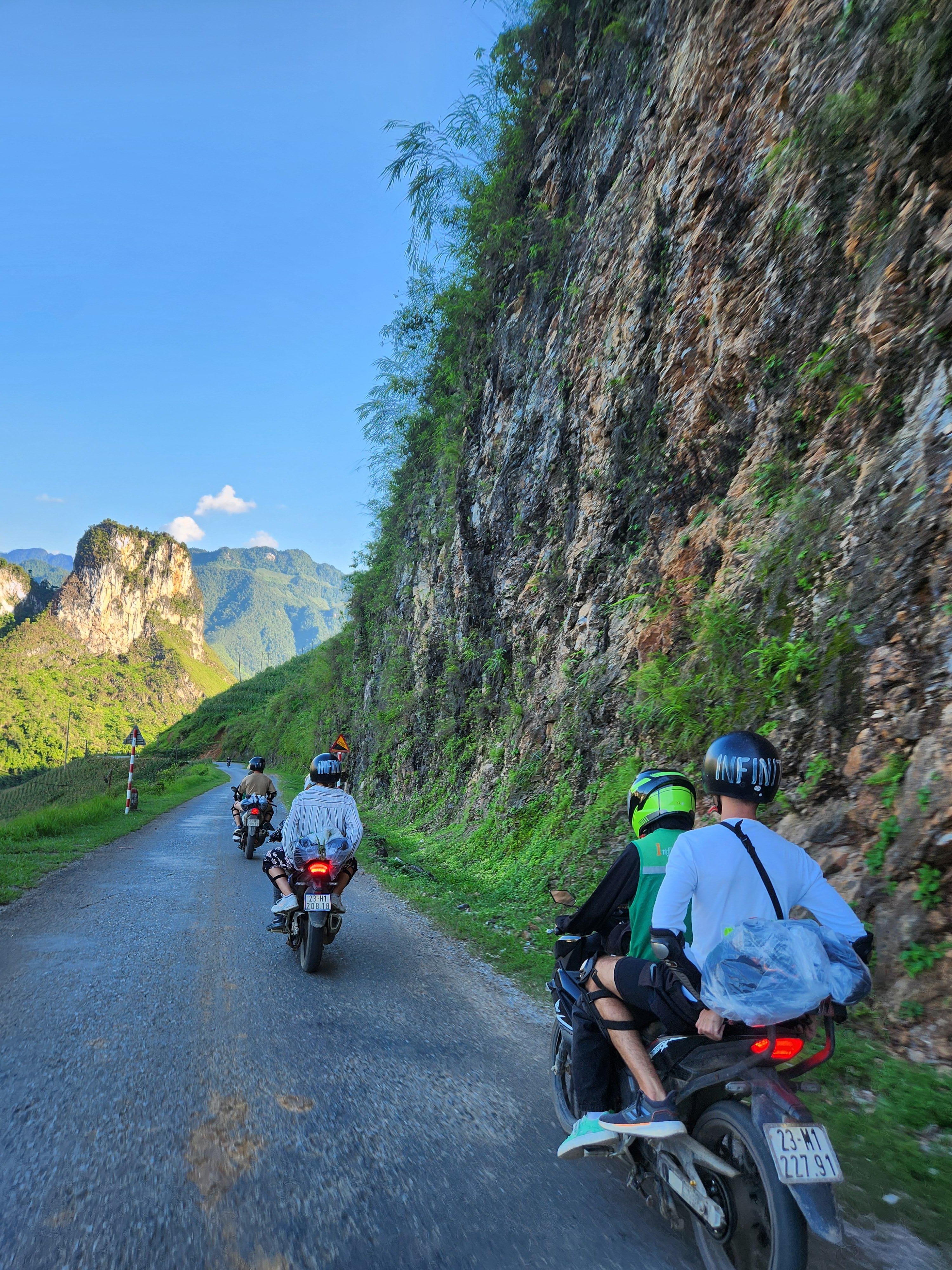
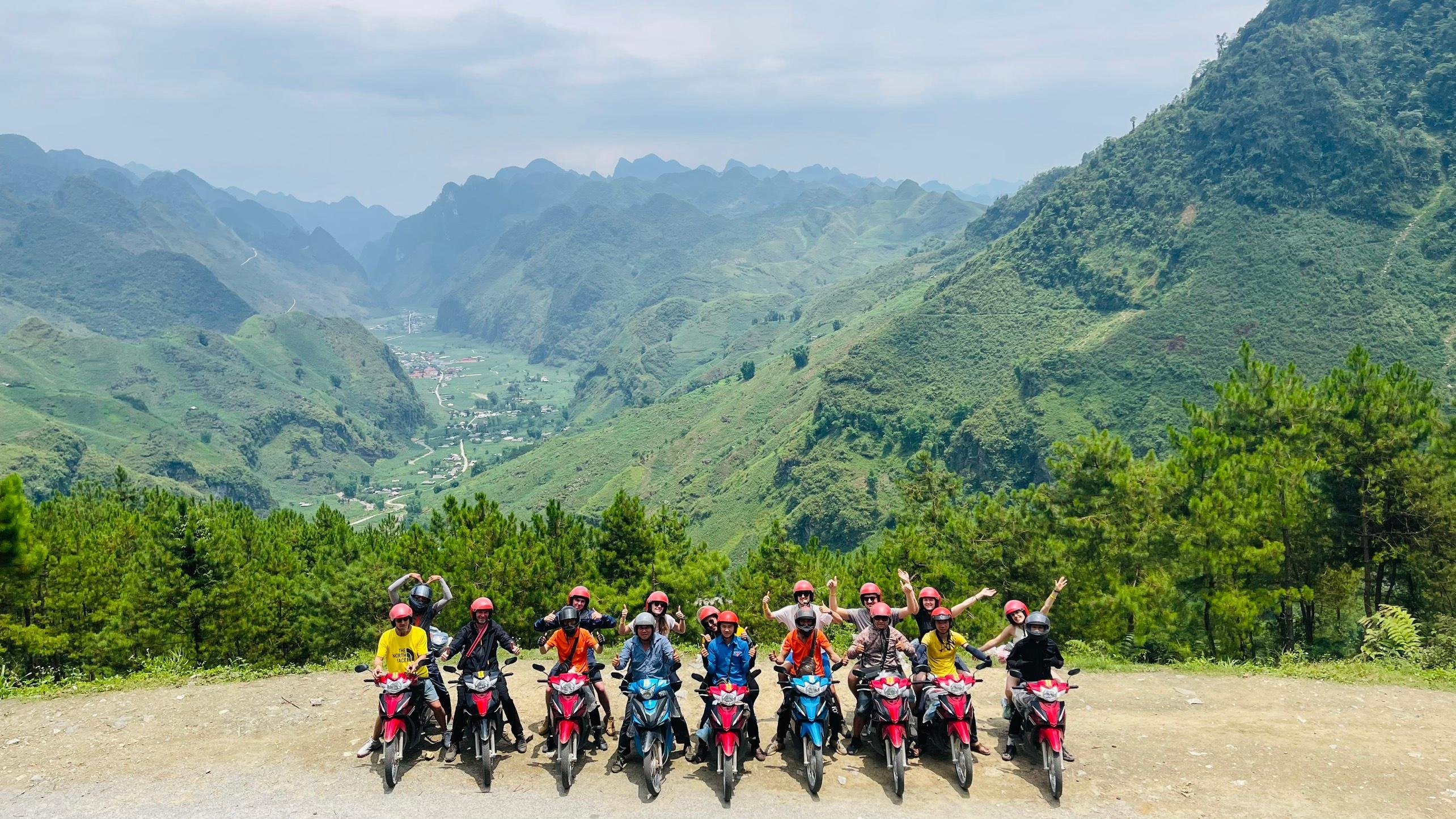
The ha giang loop from sapa to hanoi delivers one of Vietnam's most dramatic mountain routes, threading through karst peaks, terraced rice fields, and minority villages across 3–4 days. The available guided motorbike adventures include transport, accommodation, and an experienced Easy Rider who knows the switchbacks and weather patterns of Dong Van Plateau. You'll ride Ma Pi Leng Pass, sleep in homestays, and cover roughly 300 km of winding roads with minimal tourist infrastructure. It's worth it if you want raw scenery over polished comfort—this isn't a luxury tour. The loop is best tackled with a guide who handles navigation and mechanical issues, letting you focus on the ride. Expect early starts, long days in the saddle, and weather that can shift from sun to fog in minutes. For riders who value frontier landscapes and cultural immersion over convenience, the value is clear.
Bottom line: For capable riders ready to trade comfort for one of Southeast Asia's wildest mountain circuits, ha giang loop from sapa to hanoi tours justify every hour in the saddle.
Travelers seeking rugged mountain terrain often choose the Ha Giang Loop from Sapa to Hanoi, whereas those preferring terraced rice landscapes often favor the Mu Cang Chai experience. This comparison highlights key differences for those researching ha giang loop from sapa to hanoi tours.
|
Top pick Ha Giang Loop |
Mu Cang Chai | |
|---|---|---|
| Terrain | Rugged limestone karst peaks | |
| Primary activity | Motorbike mountain pass riding | |
| Average duration | 3–4 days | |
| Difficulty level | High technical requirements | |
| Best season | September to October | |
| Booking access | Ha Giang loop from sapa to hanoi tickets required | |
| Accessibility | Remote northern border region | |
| See tickets & prices |
Verdict: The Ha Giang loop from sapa to hanoi tour provides a more intense adventure, while Mu Cang Chai offers a shorter, landscape-focused alternative.
Hand-picked experiences loved by thousands of travelers
3 days
Free Cancellation
Ride Vietnam's most dramatic mountain roads, from Heaven Gate to Ma Pi Leng Pass, with overnight stays in remote villages
3 days
Free Cancellation
Ride Vietnam's most spectacular mountain route with all logistics handled—bus transfers, lodging, and meals included.
2 days
Free Cancellation
Conquer Vietnam's legendary northern passes and valleys on a guided motorcycle journey through karst peaks.
3 days
Free Cancellation
Ride 375km through Vietnam's most dramatic mountain passes with a professional driver and expert guide
6 hours
Free Cancellation
Premium coach service connecting Hanoi and Sapa with hotel pickup, air conditioning, and scenic mountain views
Known as the King of Passes, this road is carved into limestone cliffs at over 1,500m altitude.
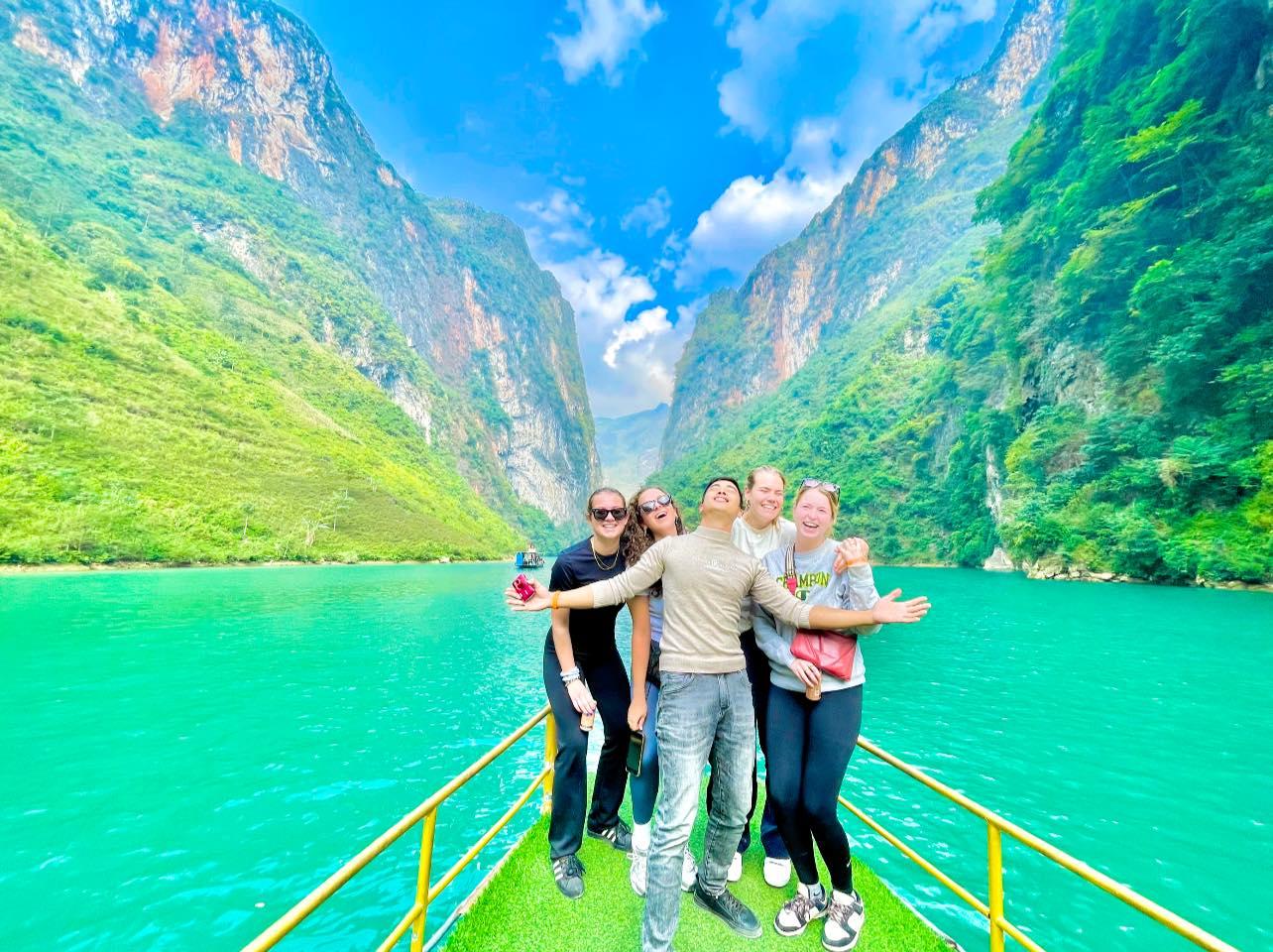
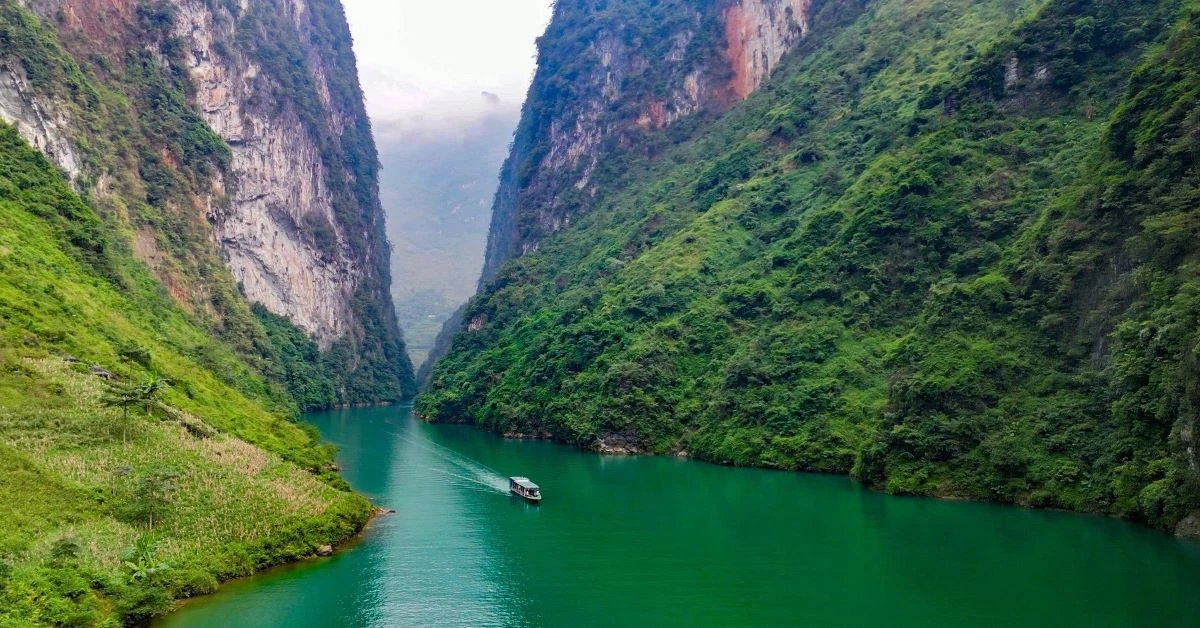
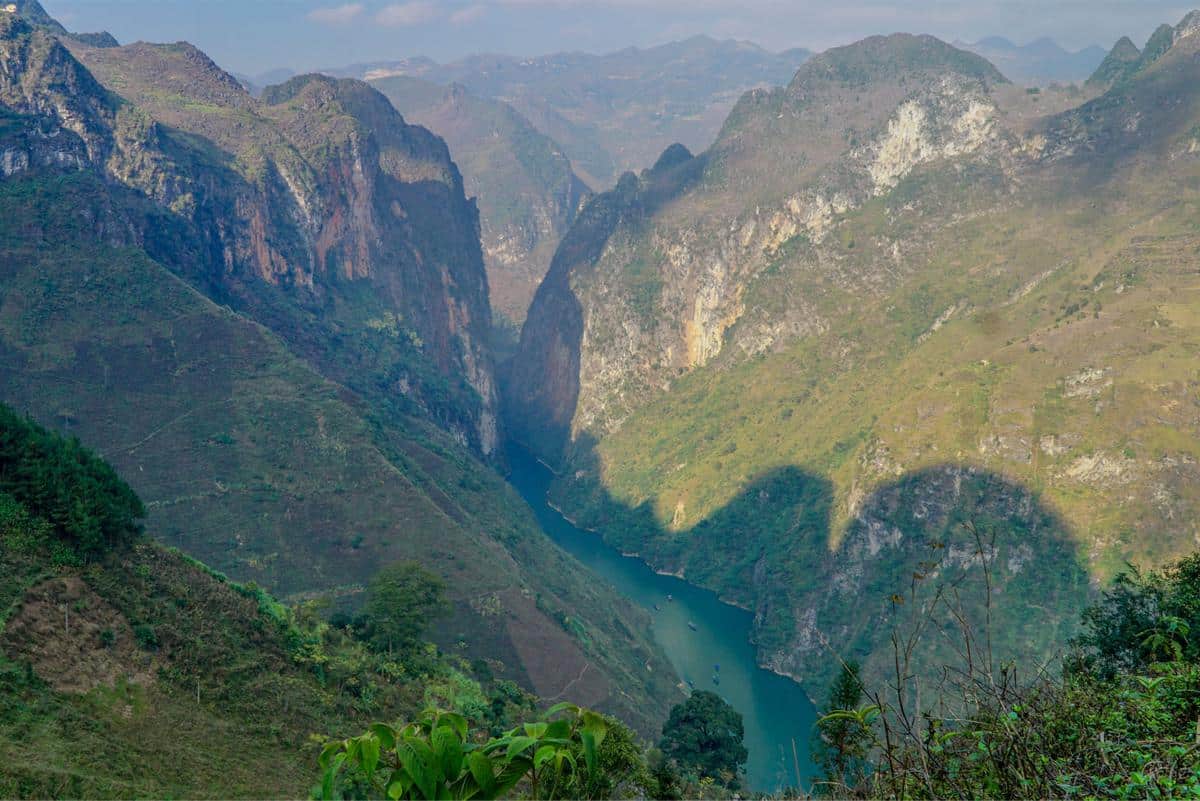
Electric turquoise waters flow through the deepest canyon in Southeast Asia, roughly 800m deep.
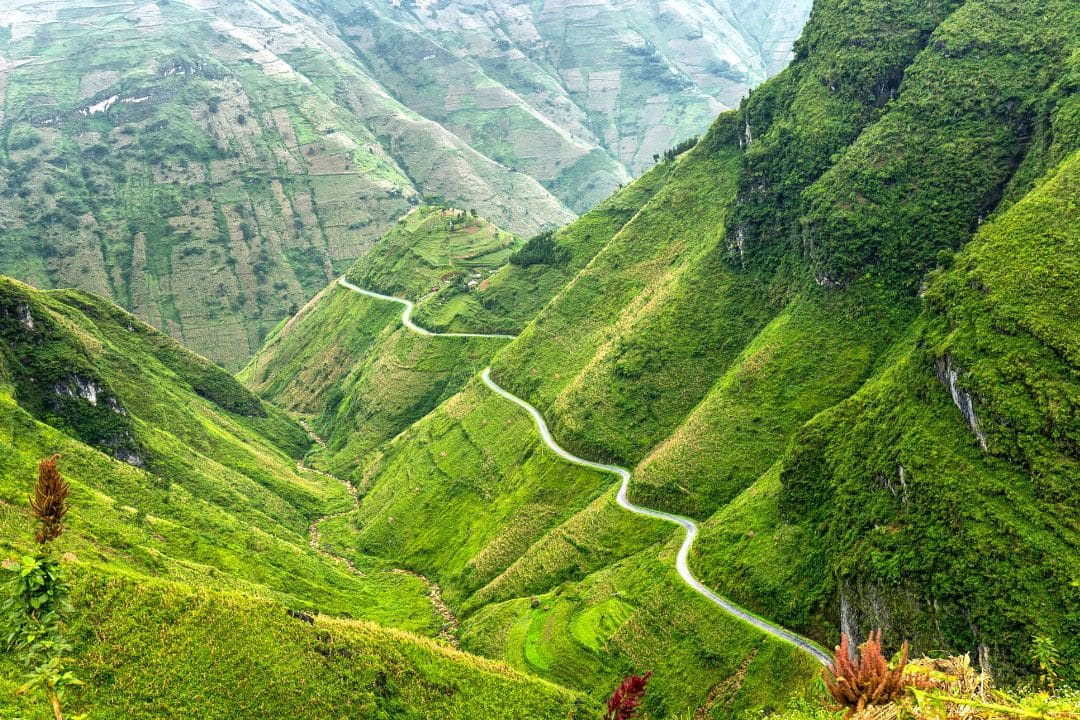
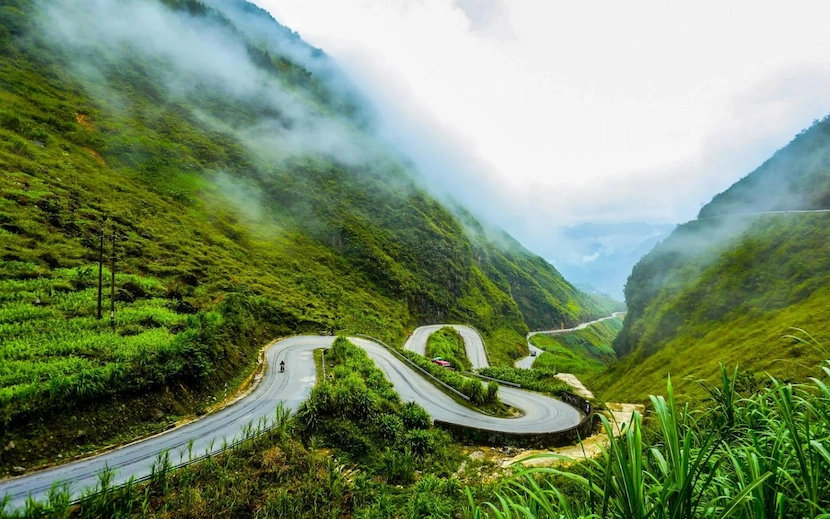
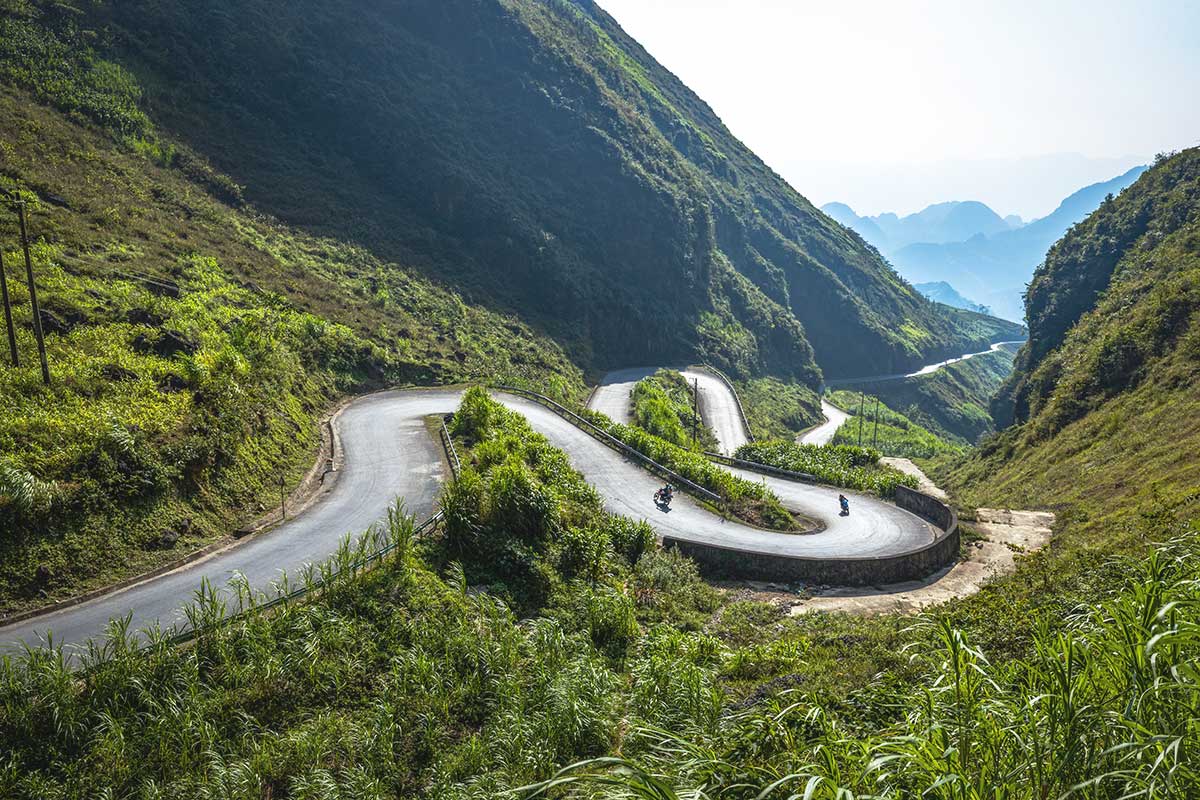
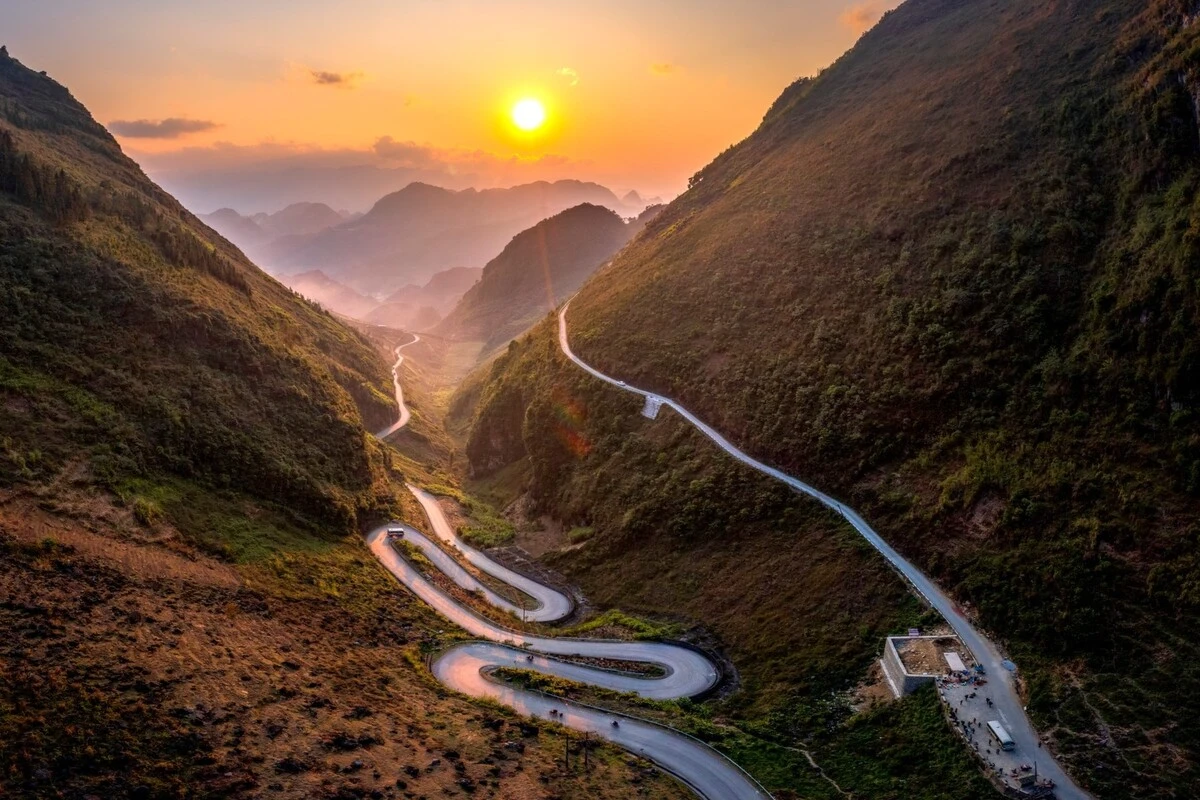
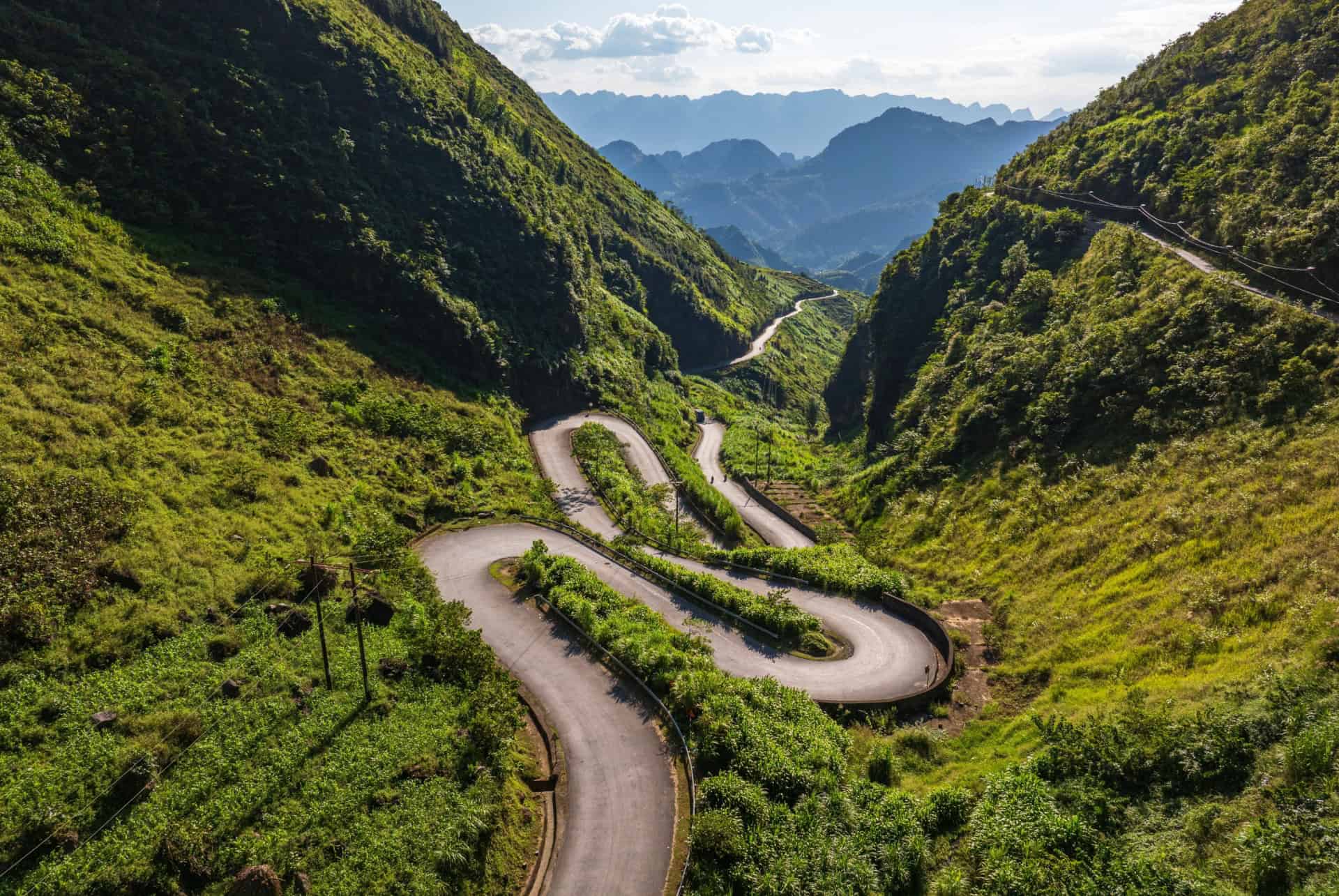
This famous series of nine winding hairpin turns is a signature landmark of the Ha Giang loop.
Standing at the northernmost point of Vietnam, this tower offers panoramic views across the Chinese border.
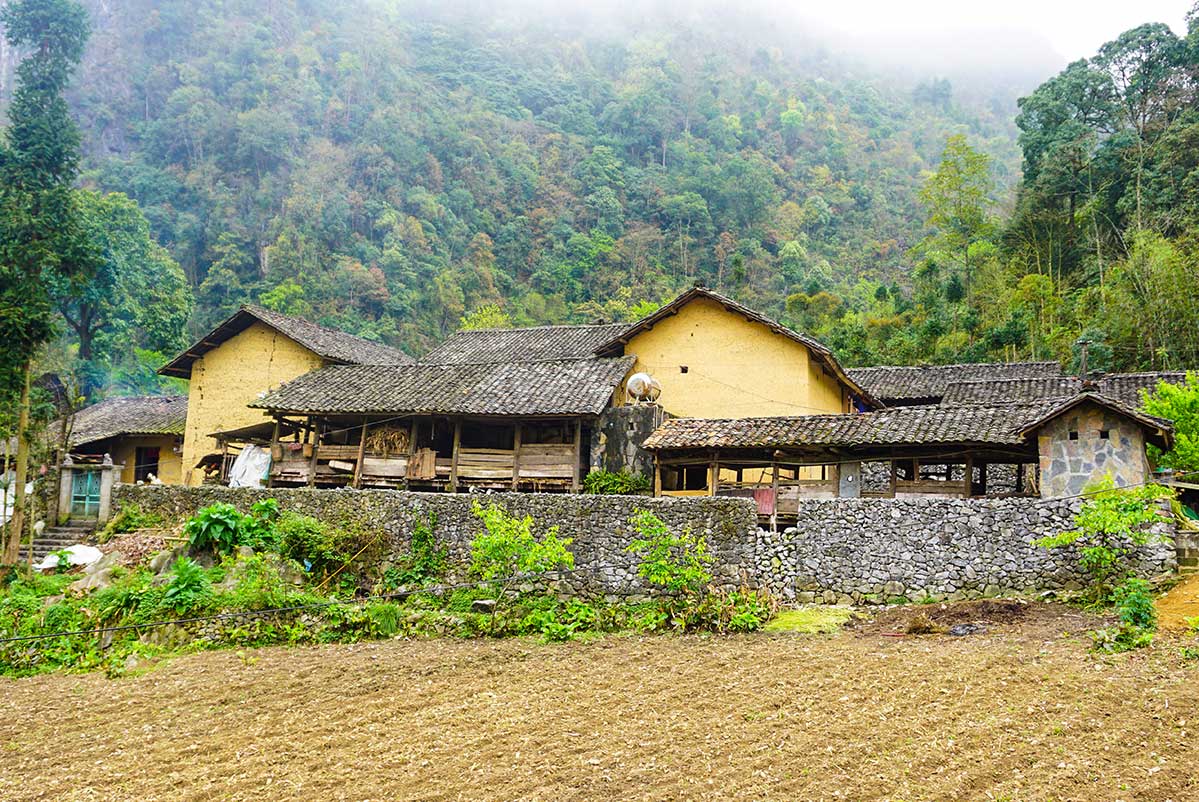
This historic town area features ancient architecture and bustling local markets unique to the region.
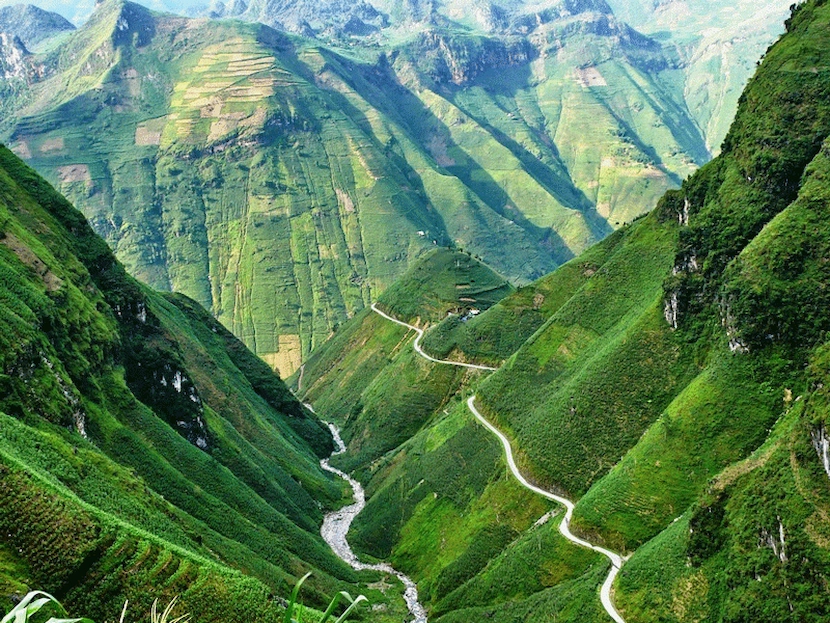
You depart Sapa in the early morning, the road descending through pine forests before opening onto the Red River valley. The first day covers 120 kilometres to Quan Ba, the route climbing past terraced rice paddies and Tay villages where women sort corn on roadside mats.
You pause at Heaven's Gate, the twin limestone peaks rising symmetrically from the valley floor, then continue to your guesthouse as the light fades.
Day two brings the Ma Pi Leng Pass, a 20-kilometre stretch carved into a vertical cliff face 1,500 metres above the Nho Que River. You lean into the hairpin turns, the drop unguarded, the karst towers receding into haze. Lunch is in Meo Vac, pho eaten at a street stall, then the ride continues to Dong Van, the town square surrounded by stone houses with carved wooden doors. On the third or fourth day, depending on your ha giang loop from sapa to hanoi tour itinerary, you ride east to Lung Cu before turning south toward Hanoi, the road straightening as the karst gives way to red clay hills and the traffic thickens near the capital.
All the details about your upcoming adventure in one place
The road from Sapa to Ha Giang and onward to Hanoi traverses 23 ethnic minority villages, climbs above 2,000 metres at the Hoang Su Phi terraces, and crosses the Dong Van Karst Plateau Geopark, a UNESCO-recognized expanse of limestone formed 400 million years ago.
The ha giang loop from sapa to hanoi became a recognised motorbike route in the mid-2000s, when Vietnamese riders began documenting the Quan Ba Heaven's Gate, the Ma Pi Leng Pass's sheer cliffs above the Nho Que River, and the Lung Cu Flag Tower marking Vietnam's northernmost point. By 2015, international riders were following the circuit, and today it remains one of Southeast Asia's most concentrated showcases of geological drama and highland culture.
The loop's significance lies in its role as a cultural corridor. The Hmong, Tay, Dao, and Lo Lo communities maintain agricultural rhythms unchanged for generations, with corn and buckwheat terraces carved into slopes that drop 800 metres in a single kilometre. Markets in Dong Van and Meo Vac operate on fixed five-day cycles, their stalls stocked with indigo-dyed cloth, medicinal herbs, and livestock. The French colonial administration built the first roads here in the 1920s to access zinc and silver mines; those routes now form the backbone of the motorbike circuit, their hairpin turns and unguarded edges offering unobstructed views of the karst formations that define the region's topography.
Architecturally, the loop presents a study in adaptation to extreme terrain. Traditional Hmong homes use rammed earth walls and clay-tile roofs weighted with stones against typhoon winds. The Vuong family mansion in Dong Van, constructed in 1900, combines Chinese courtyard design with locally quarried limestone and ironwood beams transported from Yunnan. Modern guesthouses in Yen Minh and Du Gia cling to ridgelines, their foundations anchored to bedrock. The road itself is the loop's defining structure: 350 kilometres of asphalt and gravel that rise and fall with the mountains, sections rebuilt annually after monsoon washouts, with no guardrails on stretches where the drop exceeds 500 metres. Riders navigate it in three to four days, the route's engineering and the landscape's verticality inseparable from the experience itself.

The loop traverses 23 ethnic minority villages and climbs above 2,000 metres at the Hoang Su Phi terraces.
Dress in layers to accommodate changing mountain temperatures. Modest clothing is recommended when visiting villages or sacred sites.
Luggage should be kept compact; most operators suggest a single small backpack for your ha giang loop from sapa to hanoi trip. Secure valuables in a waterproof bag.
Photography is encouraged, but always ask permission when taking pictures of local ethnic minority residents. Use caution when stopping for photos on narrow mountain passes.
Families should prioritize private car arrangements for safety and comfort. Ensure children are prepared for long hours of winding mountain roads on the ha giang loop from sapa to hanoi.
The route is rugged and hilly with limited wheelchair access. Travelers with mobility concerns should opt for a private car to experience the ha giang loop from sapa to hanoi instead of a motorbike.
Local markets and homestays offer traditional regional dishes. Carry sufficient water and snacks, especially during remote stretches of the ha giang loop from sapa to hanoi journey.
Opening Hours
00:00–23:59
Address
Ha Giang Province, Northern Vietnam
Accessibility
Varies by terrain and location
Best arrival
06:00–17:00
Storage
Small bags recommended for motorbike travel
Tour operators typically require booking deposits. Final payments for any ha giang loop from sapa to hanoi tour are usually settled in cash upon arrival.
Recommended time
3-4 days
Planning a ha giang loop from sapa to hanoi requires multiple days to navigate the winding mountain passes safely. Travelers undertaking these ha giang loop from sapa to hanoi tours should prioritize daylight hours, as road conditions and hairpin bends are hazardous after dark. While there are no formal entrance fees, securing reliable ha giang loop from sapa to hanoi tickets for guided transport is essential for a structured experience. Traffic volume peaks during mid-morning when groups depart, while late afternoons remain quieter along the limestone karst landscape.
Crowd levels through the day
The mountainous corridor linking Sapa, Ha Giang, and Hanoi served as a crucial trade artery long before it became a touring route. By the 11th century, the Ly Dynasty had established military outposts along the northern frontier to secure trade with Yunnan and monitor the highland passes. Ethnic Hmong, Tay, and Dao communities settled the valleys during the 13th and 14th centuries, cultivating terraced rice fields and maintaining semi-autonomous governance under successive Vietnamese dynasties. French colonial administrators surveyed the region in the 1880s, constructing rudimentary roads to extract minerals and timber, but left the highland villages largely isolated. After the 1954 Geneva Accords partitioned Vietnam, the northern highlands became a strategic buffer zone. The government expanded road networks to support military logistics, inadvertently opening remote districts to internal migration. Ethnic minority markets in Dong Van and Meo Vac evolved into cultural exchange points where Hmong indigo textiles and Dao herbal medicines were traded alongside socialist-era goods. By the 1990s, doi moi economic reforms encouraged small-scale tourism, and travelers began exploring the ha giang loop from sapa to hanoi as an overland alternative to coastal routes. The UNESCO recognition of Dong Van Karst Plateau Geopark in 2010 formalized conservation efforts and attracted international attention to the loop's geological and cultural significance. Local authorities introduced motorcycle rental regulations and homestay licensing to manage visitor impact while preserving traditional architecture. Today, the route sustains highland economies through guided ha giang loop from sapa to hanoi tours and homestay networks, balancing heritage preservation with the demands of modern adventure travel. Stone houses with tiled roofs, weekend ethnic markets, and terraced landscapes remain largely intact, maintained by communities whose agrarian rhythms predate tourism by centuries.
Ly Dynasty establishes military outposts along northern trade routes to secure highland passes and monitor cross-border commerce.
Hmong, Tay, and Dao ethnic groups migrate into Ha Giang valleys, cultivating terraced rice and establishing semi-autonomous villages.
French colonial surveyors map the highlands and construct basic roads for mineral extraction, leaving ethnic communities largely isolated.
Post-Geneva Accords governments expand road networks for military logistics, inadvertently linking remote highland districts.
Doi moi reforms open northern highlands to domestic and international travelers seeking overland routes beyond coastal tourism.
UNESCO designates Dong Van Karst Plateau Geopark, formalizing geological conservation and attracting global attention to the loop's heritage.
Local authorities implement motorcycle rental regulations and homestay licensing to balance tourism growth with cultural preservation.
Stand at the wooden platform overlooking the jagged limestone peaks and the winding road below while navigating the ha giang loop from sapa to hanoi.
Walk the narrow trail carved into the cliffside for a direct view of the Nho Que River deep within the canyon.
Position yourself at the bottom curve of this multi-level zigzag road to capture the serpentine pattern of the pass.
Ascend to the platform base for a panoramic shot of the northern border landscape and the national flag.
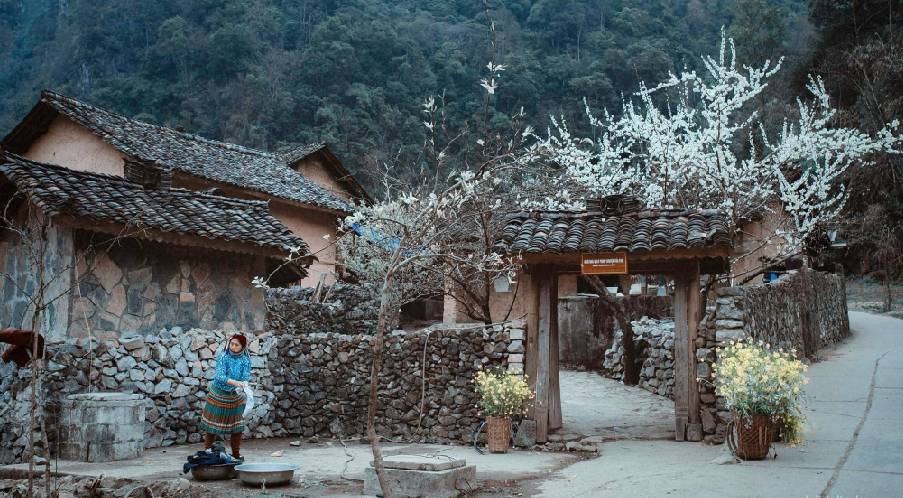
Focus on the traditional earthen walls and stone fences typical of the Hmong architecture in this historical homestead.
Traveling the ha giang loop from sapa to hanoi with children requires careful planning due to the rugged limestone karst landscape and winding mountain passes. While the region offers significant cultural enrichment, families should prioritize private car transport over motorcycles for safety and comfort.
Standard strollers are impractical for this terrain; instead, bring a high-quality baby carrier for walking through ethnic minority villages. Using ha giang loop from sapa to hanoi tours with private vehicles provides a secure base for storing child gear during stops.
Public restrooms with changing tables are virtually non-existent throughout the remote mountain passes. Pack portable changing mats and a robust supply of diapers, as local shops carry limited specialized baby supplies.
This journey is most suitable for school-aged children who can manage long periods in a vehicle. Toddlers may struggle with the winding road conditions, making ha giang loop from sapa to hanoi tour options with flexible pacing essential.
Prioritize shorter driving segments to prevent motion sickness on narrow, steep mountain roads. Booking ha giang loop from sapa to hanoi tickets for private transfers allows families to control their schedule and stop for breaks at daylight hours.
Local markets offer fresh fruit, but diverse snack options can be sparse in isolated villages. Carry reliable dry snacks and bottled water, as restaurants cater primarily to traditional local tastes.
Dining options are concentrated in major hubs like Ha Giang City, Dong Van, and Meo Vac, where local eateries provide hearty sustenance for those traveling the ha giang loop from sapa to hanoi. Travelers frequently rely on these community-based venues to enjoy authentic northern mountainous cuisine while navigating the limestone karst plateaus.
Simple broken rice plates served with grilled pork, perfect for a quick breakfast before your ha giang loop from sapa to hanoi tour.
Everything you need to know for your journey
The route is accessible 24 hours a day, 00:00–23:59. Individual sites along the path may have specific operating hours.
There is a 0 VND entrance fee to access the region. Small individual attraction fees apply to certain sites like the Lung Cu Flag Tower.
For safety and the best views, the recommended arrival window is 06:00–17:00. Daylight is vital for navigating mountain passes safely.
Security involves standard regional checkpoints; keep your passport handy. Only bring essential small bags for your ha giang loop from sapa to hanoi trip.
Yes, photography is permitted. Please respect local cultures and avoid blocking traffic on narrow roads during your ha giang loop from sapa to hanoi tour.
September to November offers the best weather and golden rice fields, while March to May features beautiful spring blossoms.
Families are better served by private car options rather than motorbikes for a safer experience during their ha giang loop from sapa to hanoi journey.
Local homestays and village markets provide frequent opportunities to eat. Always carry water during your ha giang loop from sapa to hanoi tour.
Most travelers arrive via bus from Hanoi or Sapa to Ha Giang City to begin their journey. Book your ha giang loop from sapa to hanoi tickets through official operators.
Cancellation policies depend on the tour operator's terms; most require a deposit and offer refunds according to their specific contract terms.
Join thousands of happy travelers who have discovered this incredible experience
Book Your Experience Now