120 hr
3-Day Ha Giang Loop Motorcycle Adventure from Sapa
- Expert local guide
- Small group
- Skip-the-line access
- Free cancellation
Sapa to Ha Giang Loop — Mountain Transfers & Multi-Day Routes
From terraced peaks to limestone karst, a high-altitude traverse across Vietnam's far north
Compare fares, pick the fit — all bookings are mobile-voucher and eligible for free cancellation where shown.
120 hr
72 hr
96 hr
| Experience | Duration | Rating | Pickup | Skip-the-line | Guide | Small group | Price | |
|---|---|---|---|---|---|---|---|---|
|
Guided Experience
Most popular
3-Day Ha Giang Loop Motorcycle Adventure from Sapa
|
120 hr | ★ 4.9 | ✓ | ✓ | ✓ | ✓ | €188 | Book → |
|
Guided Experience
Ha Giang Loop: 3-Day Motorcycle Adventure
|
72 hr | ★ 5.0 | ✓ | ✓ | ✓ | ✓ | €117 | Book → |
|
Guided Experience
Ha Giang Loop 4-Day Motorbike Adventure with Homestays
|
96 hr | ★ 4.9 | ✓ | ✓ | ✓ | ✓ | €196 | Book → |
They complement each other; most visitors who do both call the Ha Giang Loop the more thrilling adventure while Sapa offers a more relaxed trekking pace.
|
Top pick Ha Giang Loop |
Sapa | |
|---|---|---|
| Primary Transport | Motorbike or Car | Walking or Minibus |
| Terrain Intensity | High and rugged | Moderate to high |
| Cultural Exposure | Ethnic minority villages | High due to trekking |
| Infrastructure Level | Basic mountain roads | Developed tourist facilities |
| Typical Trip Duration | 3–4 days | 2–3 days |
| See tickets & prices |
Verdict: Choose sapa to ha giang loop tours if you seek raw, motorized exploration, or opt for Sapa if you prefer guided walks through terraced fields and require accessible sapa to ha giang loop tickets or transport connections.
Hand-picked experiences loved by thousands of travelers
3 days
Free Cancellation
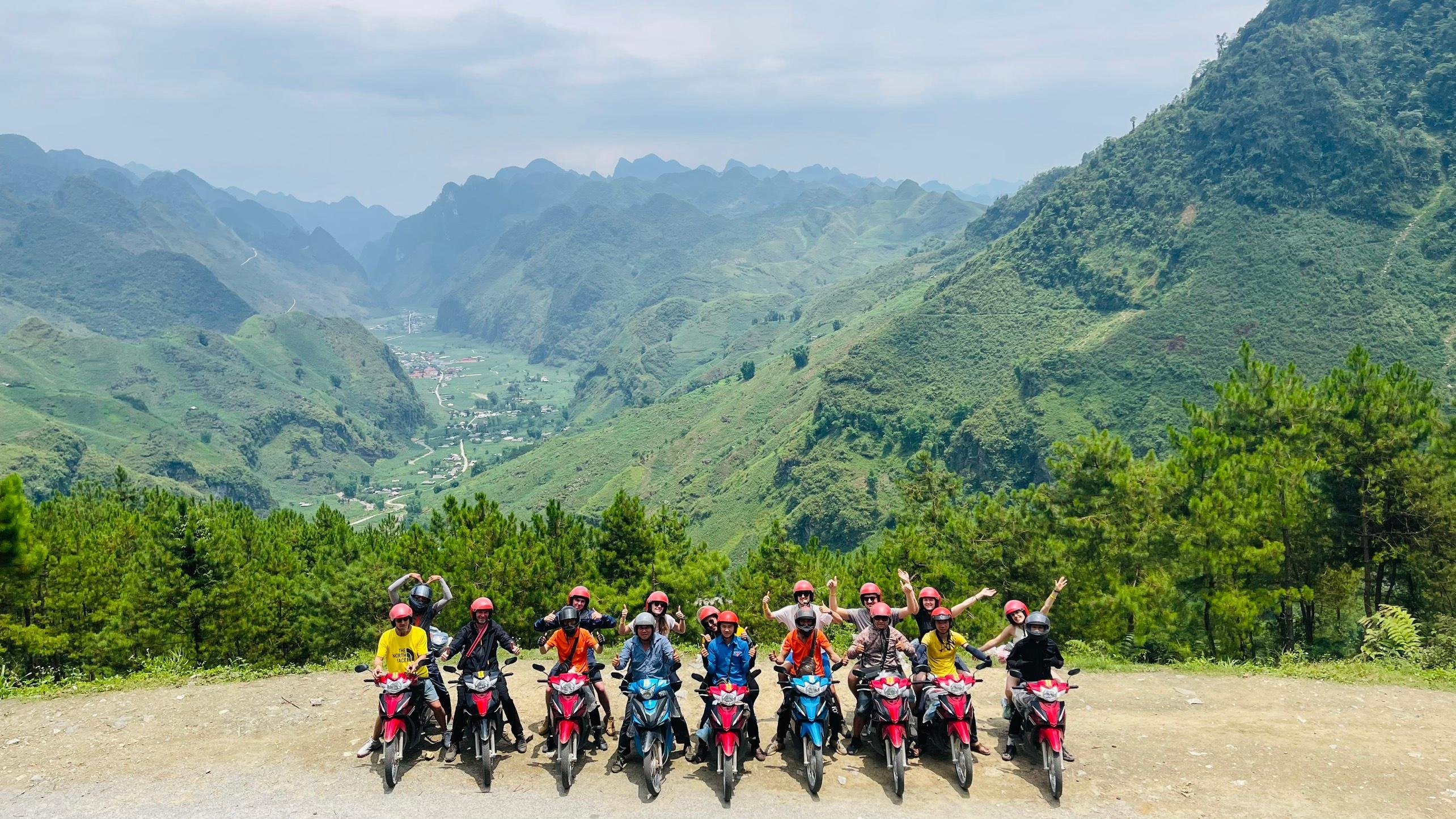
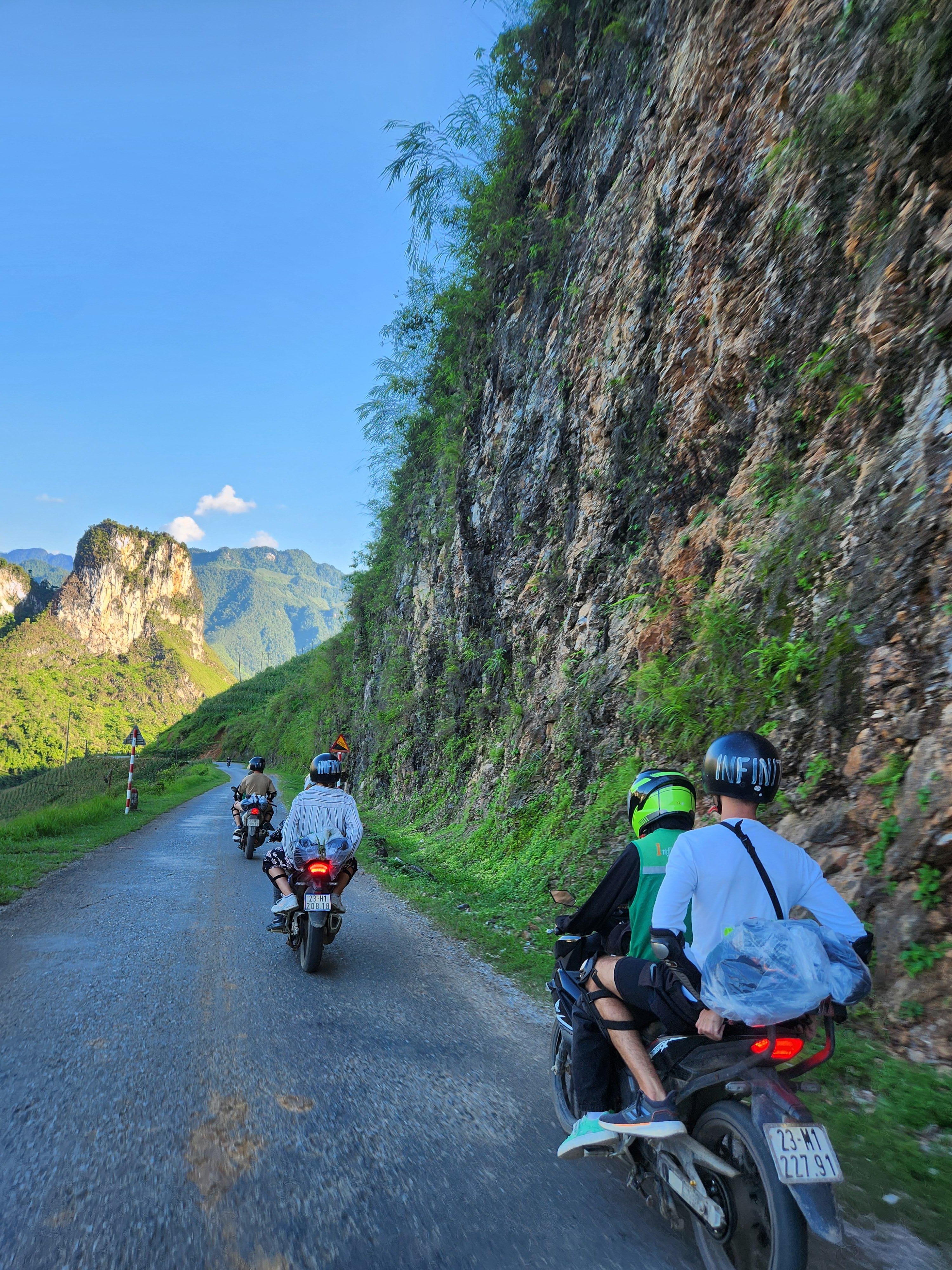
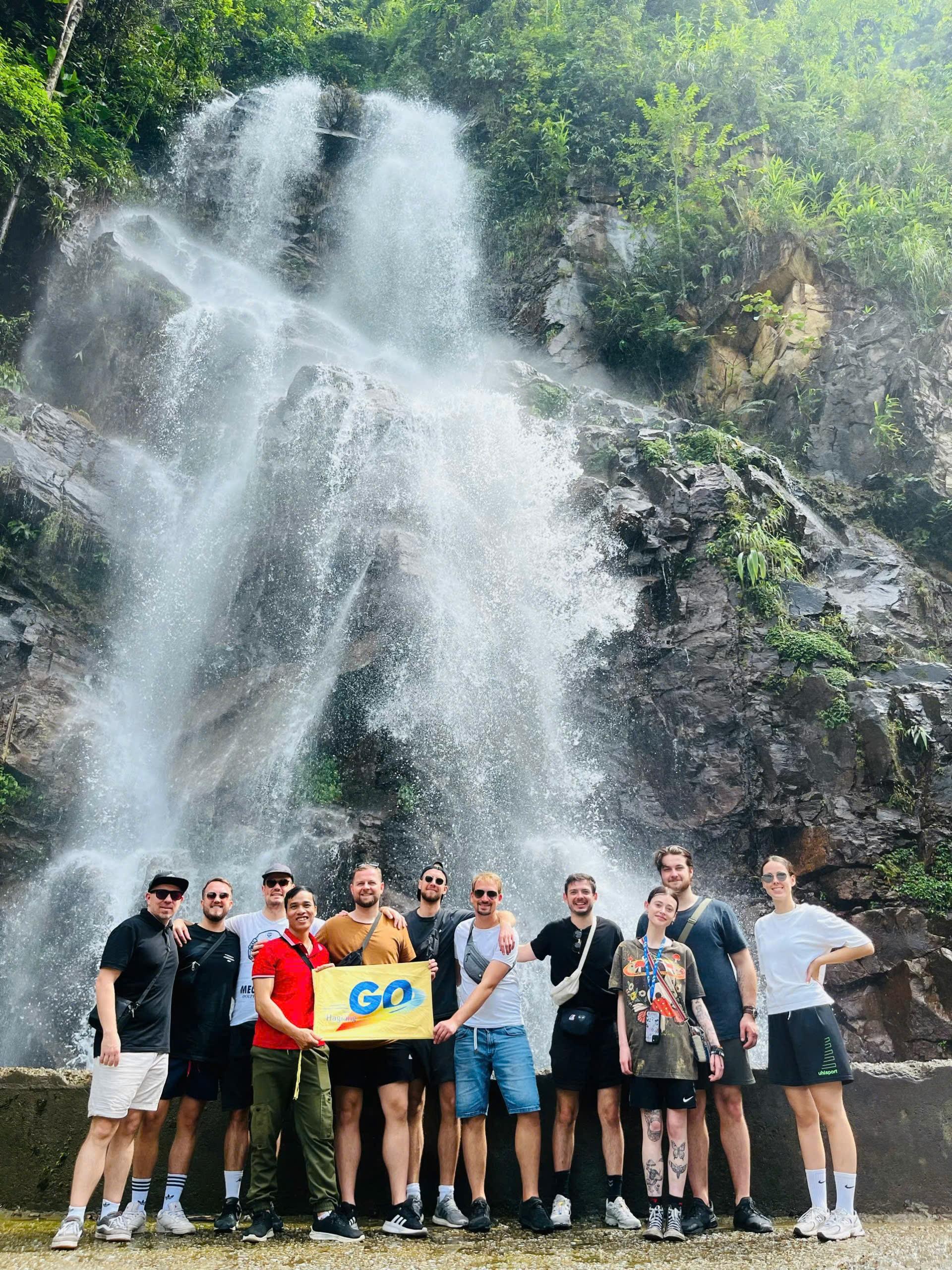
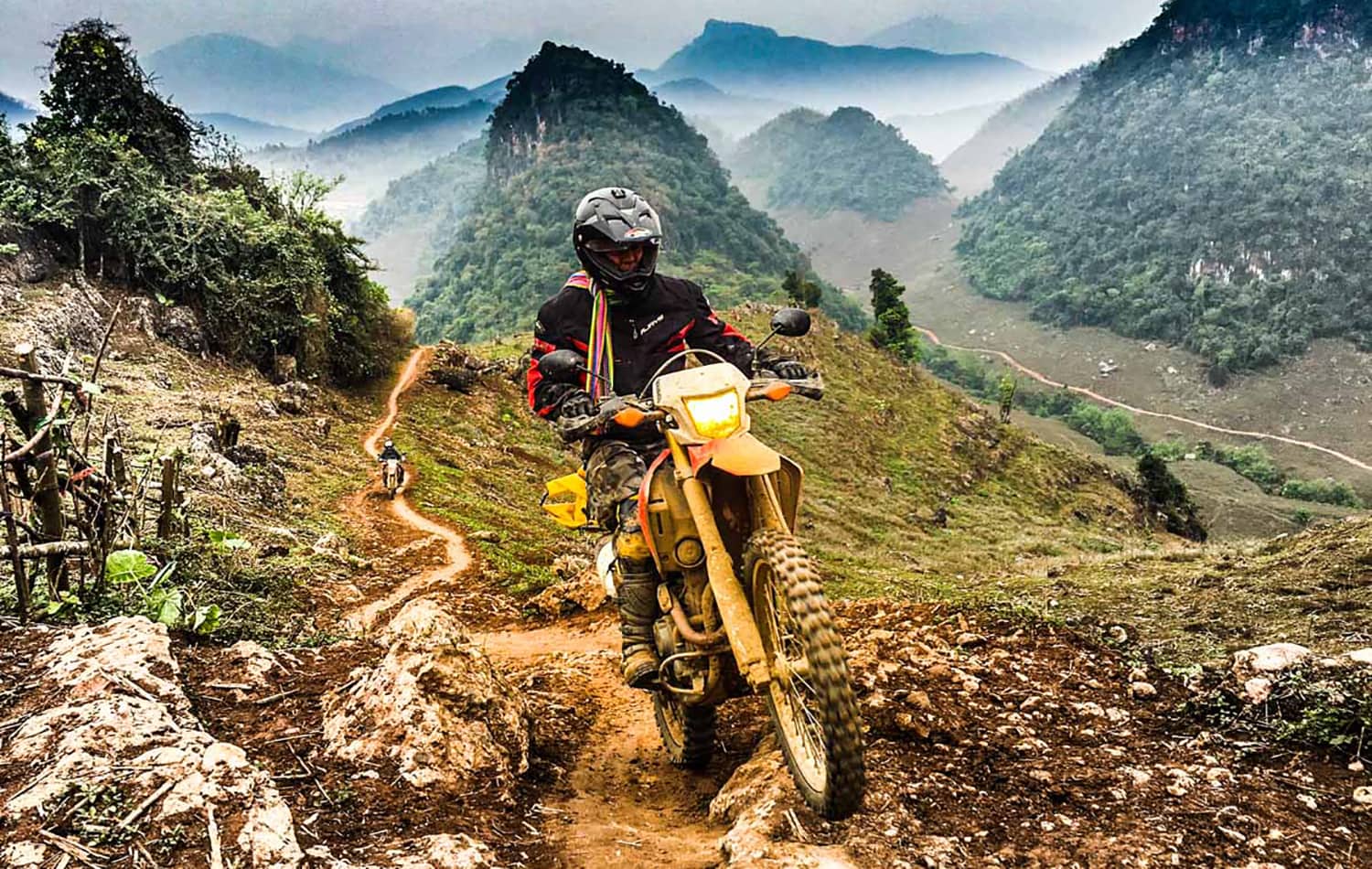
Tackle Vietnam's legendary northern loop by motorbike with expert riders through karst peaks and remote valleys
3 days
Free Cancellation
Three-day mountain circuit through Vietnam's remote north with included bus transfers and pre-tour lodging
4 days
Free Cancellation
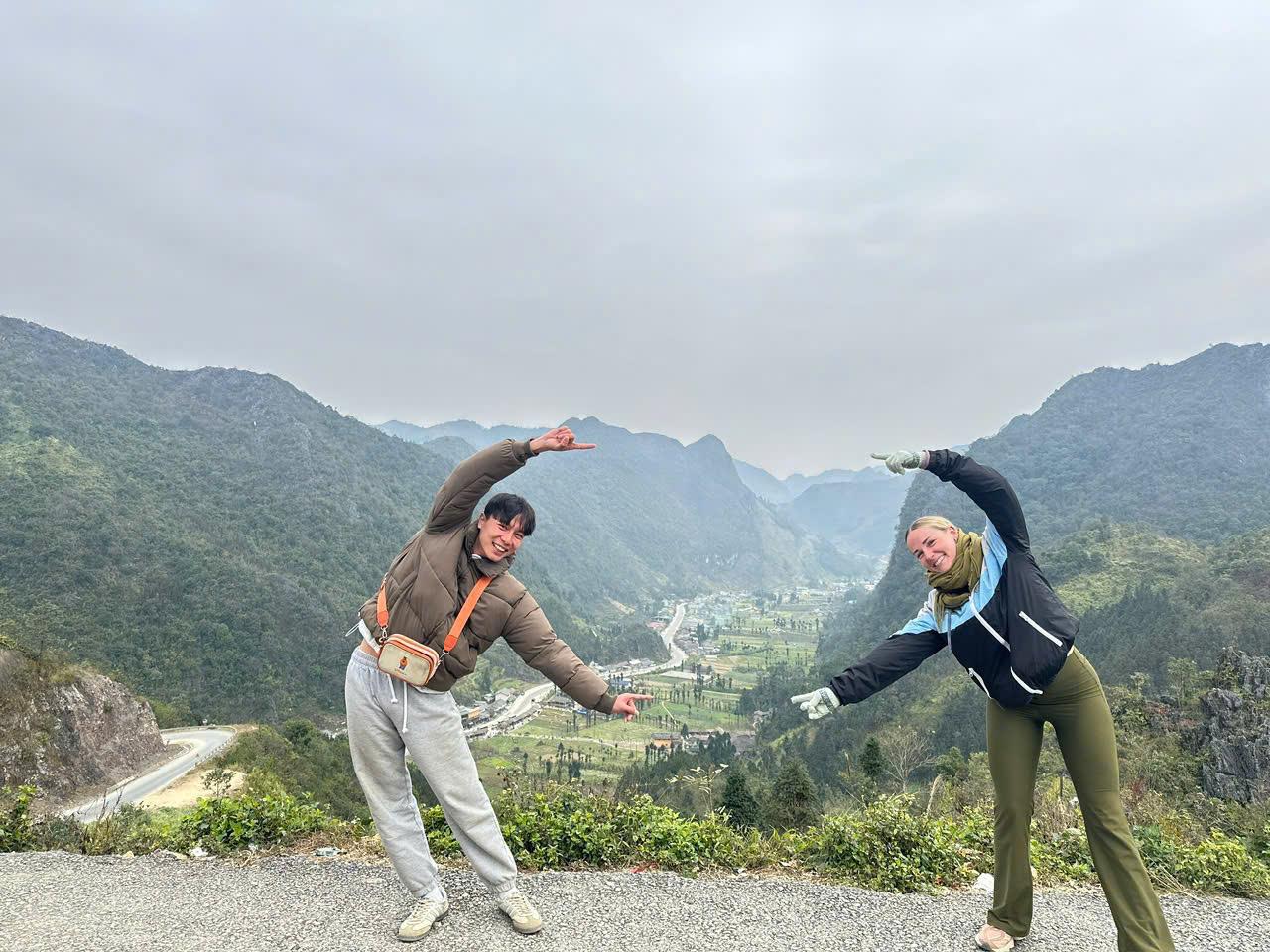
Explore Vietnam's northern highlands on motorbike with trained local drivers and immersive homestays
5 days
Free Cancellation
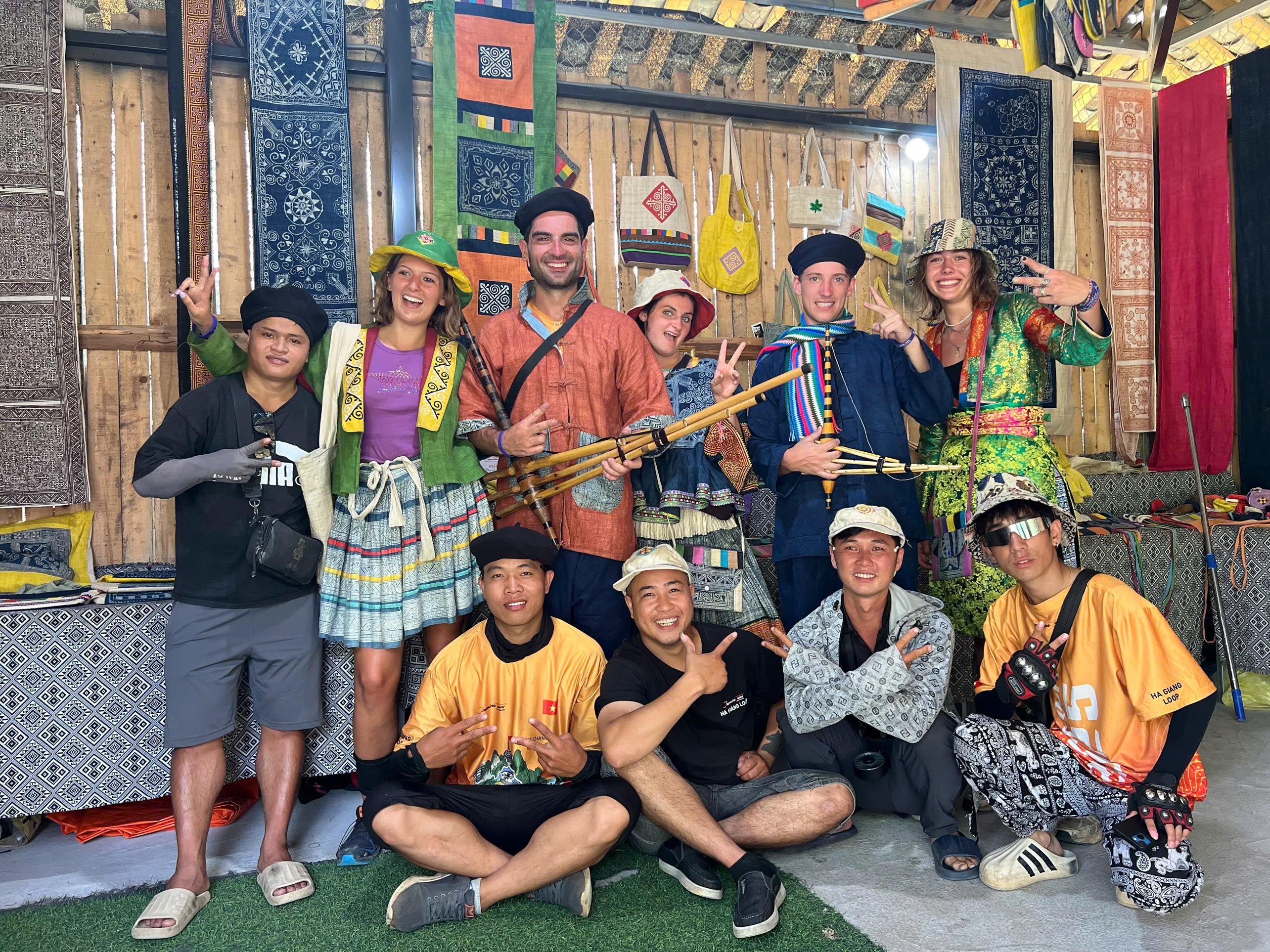
Journey through Vietnam's dramatic northern mountains on a guided loop with local stays and cultural immersion
You leave Sapa before dawn, the terraces still shrouded in mist, and board a shared van headed northeast toward Bac Ha. The first hour retraces the descent to Lao Cai, then the road pivots north, hugging the Red River's eastern bank.
By mid-morning you pass through Bac Ha's Sunday market, a blur of indigo-dyed fabric and water-buffalo pens, and the landscape begins its shift—less forest, more exposed stone, the peaks lower but sharper in profile.
Lunch is pho in a roadside town you won't remember the name of; the driver smokes and checks tire pressure while you stretch. The afternoon leg climbs through Xin Man, where the road narrows to a single lane and the surface degrades to patched asphalt and raw gravel. You cross into Ha Giang Province at an unmarked boundary, the only evidence a faded sign in Vietnamese. The karst towers appear suddenly, grey and vertical, rising from a valley floor stitched with corn rows.
You reach Ha Giang city by evening, the streets lit by motorbike headlights and the smell of grilled pork. Tomorrow the loop begins in earnest—Quan Ba's Heaven's Gate at sunrise, the Dong Van plateau by afternoon, and three more days of switchbacks ahead. Tonight you walk the night market, buy a rain jacket you'll need, and study the map one last time. The distance from Sapa feels less geographic than atmospheric: you've crossed from mist into stone, from the known into the mapped-but-unfamiliar.
All the details about your upcoming adventure in one place
The sapa to ha giang loop connects two of northern Vietnam's most dramatic mountain regions through winding passes and Dong Van Karst Plateau scenery. This overland route spans roughly 300 kilometers, crossing terraced valleys, limestone formations, and hilltop villages between the Red Dao highlands and the UNESCO geopark. Sapa to Ha Giang loop tours typically include transport to Ha Giang city, then continue along the famous northern circuit through Quan Ba, Yen Minh, Dong Van, and Meo Vac before returning.
The 340-kilometre journey from Sapa's terraced rice valleys to the limestone plateaus of Ha Giang Province charts one of Southeast Asia's most dramatic elevational transects.
Sapa, perched at 1,600 metres in the Hoang Lien Son range, rose to prominence under French colonial administration in the 1920s as a hill station retreat; Ha Giang, by contrast, remained a frontier outpost until the 1990s, its loops and karst formations known mainly to military convoys and ethnic minority communities. No direct road links the two. The sapa to ha giang loop distance requires either a return to Lao Cai and a northward arc via Bac Ha, or a longer eastern route through Mu Cang Chai and Nghia Lo, both threading through passes that close seasonally under fog and landslide risk.
The Ha Giang Loop itself—a 300-kilometre circuit departing from Ha Giang city—became a recognised motorcycle route only in the mid-2010s, after the upgrading of Highway QL4C through Dong Van and Meo Vac. The loop's notoriety rests on its twin-tower karst geology, remnants of a Permian seabed lifted and eroded over 250 million years, and on the twelve official ethnic minority communities—Hmong, Tay, Dao, Lo Lo—whose stone-walled hamlets cling to slopes too steep for mechanised agriculture. Unlike Sapa's tourism economy, built on weekend trekking and homestay circuits, the loop remains largely agrarian; pear orchards, buckwheat fields, and corn terraces dominate the visual plane, punctuated by weekend markets in Dong Van and Meo Vac that predate modern road access.
Linking the two regions exposes travellers to both the commodified sublime of Sapa—cable cars, designated photo platforms, curated ethnic shows—and the infrastructural austerity of Ha Giang, where fuel stops are sparse, guesthouses unheated, and road maintenance intermittent. The sapa to ha giang loop tour variants reflect this duality: some operators bundle the transfer as a bookend to a loop itinerary, positioning Sapa as acclimatisation before the loop's remoteness; others treat the route as a continuous five- to seven-day mountain traverse, camping or staying in village homestays rather than returning to provincial hubs. The contrast is topographic as much as cultural—Sapa's peaks are monsoon-drenched, fog-bound, and forested, while Ha Giang's karst is arid, exposed, and lunar in aspect, particularly along the Ma Pi Leng Pass overlooking the Nho Que River gorge, a 200-metre vertical cliff favoured by adventure photographers.
Transportation options between the two hubs remain limited. The sapa to ha giang loop bus services, introduced in 2019, operate overnight sleepers from Lao Cai to Ha Giang city via Hanoi, a 14-hour detour that negates the overland appeal. Private van transfers via Bac Ha and Xin Man reduce travel time to eight hours but require advance booking andGroupOn-style passenger aggregation. Motorcycle enthusiasts increasingly ride the full arc, departing Sapa westward to Than Uyen, then northeast through Muong Khuong and into Ha Giang Province—a route that adds two days but bypasses the Hanoi bottleneck and delivers continuous mountain scenery. Weather governs all: the dry months from October through April offer stable road conditions and clear visibility for the loop's cliff-edge highways, while the June-to-September monsoon brings landslides, road closures, and reduced motorbike rental availability.

No direct road links the two; the journey charts one of Southeast Asia's most dramatic elevational transects.
Dress in layers for the sapa to ha giang loop, as mountain temperatures fluctuate significantly. Sturdy footwear and protective long-sleeved clothing are recommended for safety during the sapa to ha giang loop tour.
Travelers on the sapa to ha giang loop should use small daypacks for daily riding. Large luggage can be stored securely at hostels or offices in Ha Giang City during your sapa to ha giang loop tickets duration.
Scenic photography is a highlight of the sapa to ha giang loop. Please respect local privacy when capturing images in ethnic villages throughout your sapa to ha giang loop tour.
The sapa to ha giang loop is suitable for families via private car or jeep tours. Ensure children are equipped with proper safety gear if joining the sapa to ha giang loop tour by four-wheeled transport.
The sapa to ha giang loop involves rugged, narrow roads that may be challenging for those with limited mobility. Accessible transport options include private car tours for those unable to navigate the route by motorbike.
Carry water and light snacks for remote sections of the sapa to ha giang loop. Local markets along the sapa to ha giang loop route offer traditional meals.
Opening hours
00:00–23:59
Address
Ha Giang Province, Vietnam
Accessibility
Remote mountain terrain with steep, winding roads
Best arrival window
08:00–17:00
Storage
Free secure storage for large bags in Ha Giang City
Route
350–400 km circuit through northern karst plateaus
Bus · Car · Private transfers provide a comfortable alternative to motorbikes for the route.
Sleeper buses run regularly from Sapa and Hanoi to Ha Giang City.
Booking modifications or cancellations are generally permitted if notified in advance to the tour operator. Most sapa to ha giang loop tour bookings require early notice to avoid forfeiture of deposits.
Recommended time
3-4 days
Most travelers find that a 3-4 day journey is the optimal window to explore the sapa to ha giang loop while allowing for meaningful stops at mountain viewpoints. Because winding roads demand constant attention, you must prioritize daylight for all transit; plan your arrival and departure within the 08:00–17:00 window to ensure safety. Taking a slower pace on your motorbike excursion helps you avoid the larger group convoys that typically congregate at popular karst landmarks during midday.
Crowd levels through the day
Weather · crowds · average price — dots go green to amber to red as each metric rises.
March–May offers clear skies and pleasant temperatures for riding the loop.
Begin your daily sapa to ha giang loop riding by 09:00 to maximize daylight.
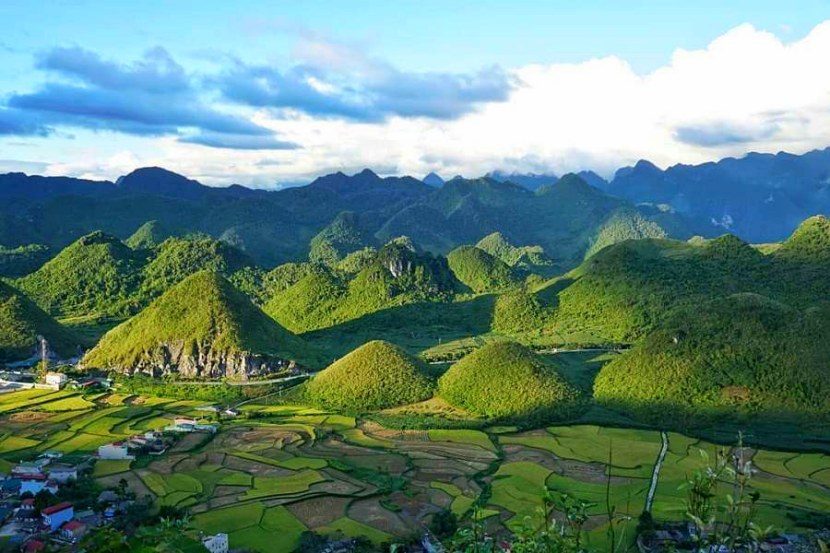
Stand at the edge of the limestone karst viewing platform to capture the iconic twin mountains rising from the valley floor below. Use a wide-angle lens to frame the winding roads descending into Tam Son.
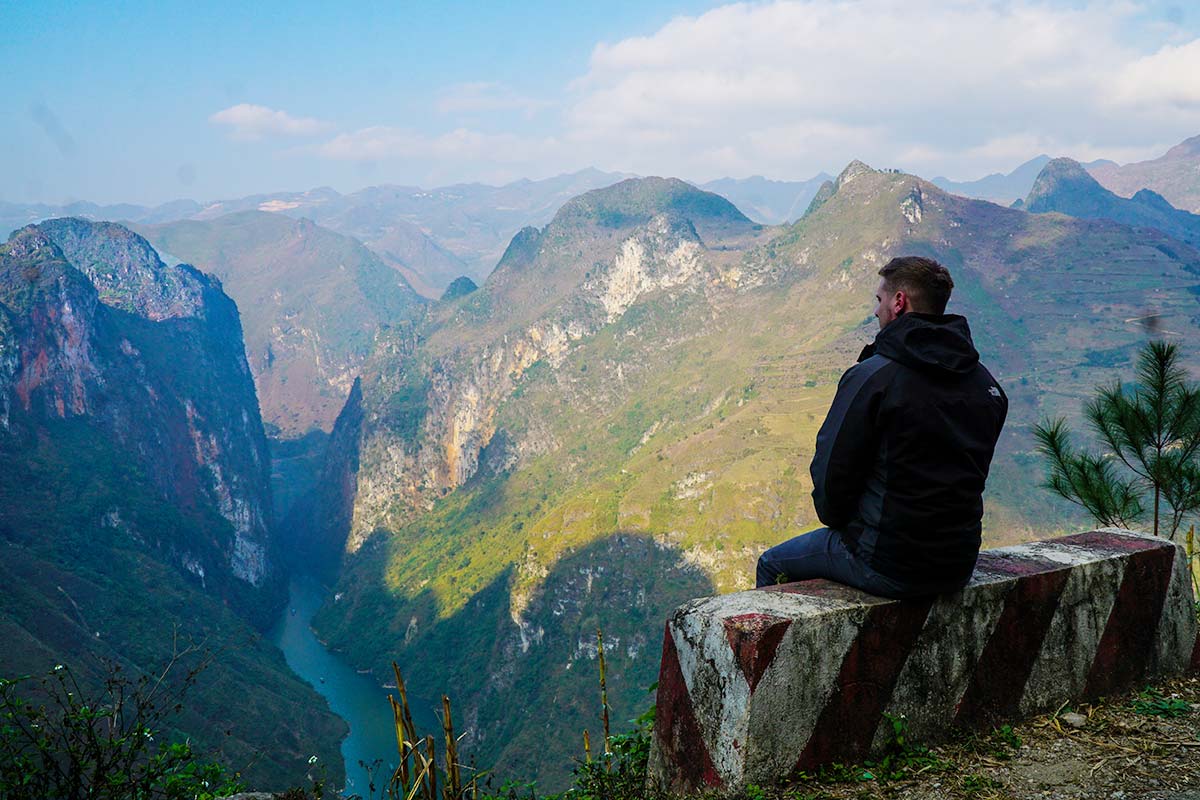
Position yourself at the designated stone balcony overlooking the Nho Que River as it snakes through the deep canyon. This remains a highlight for those embarking on sapa to ha giang loop tours.
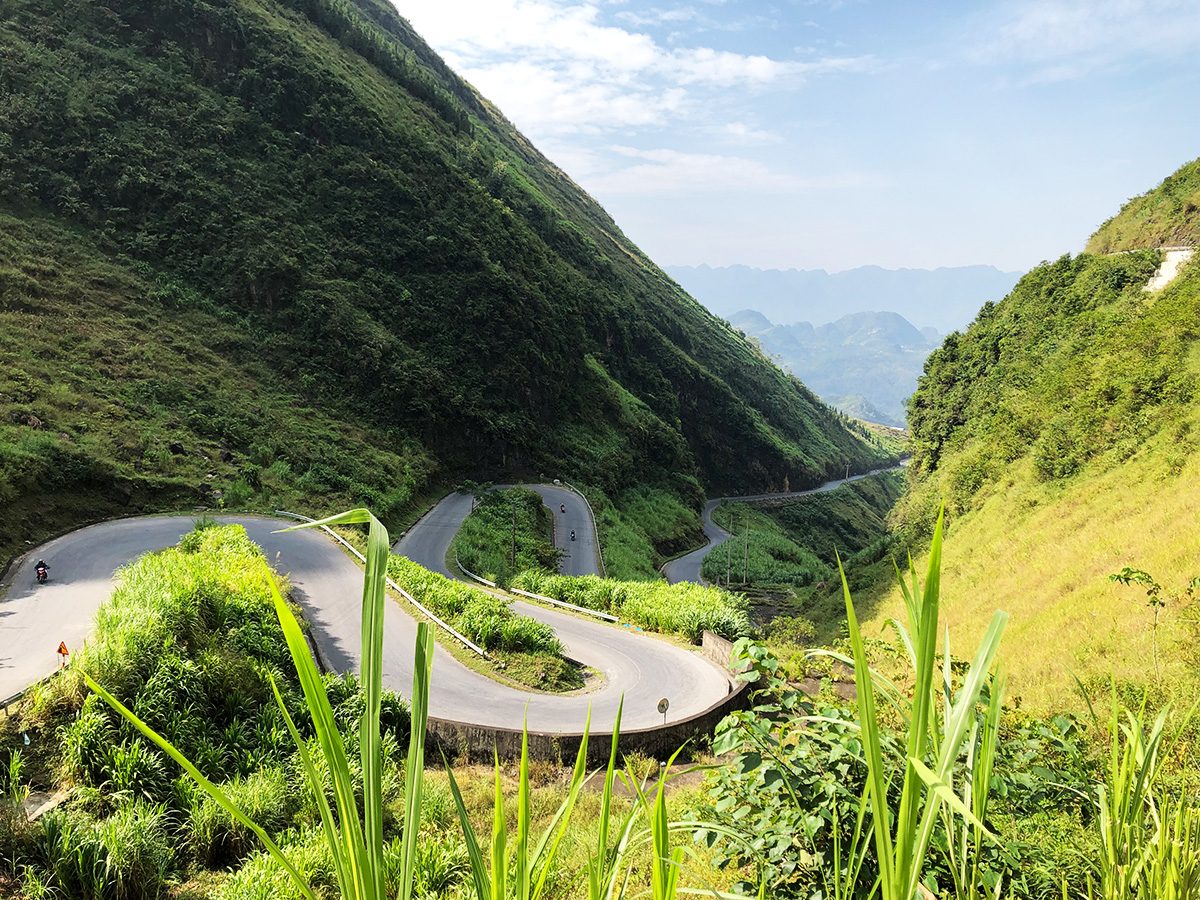
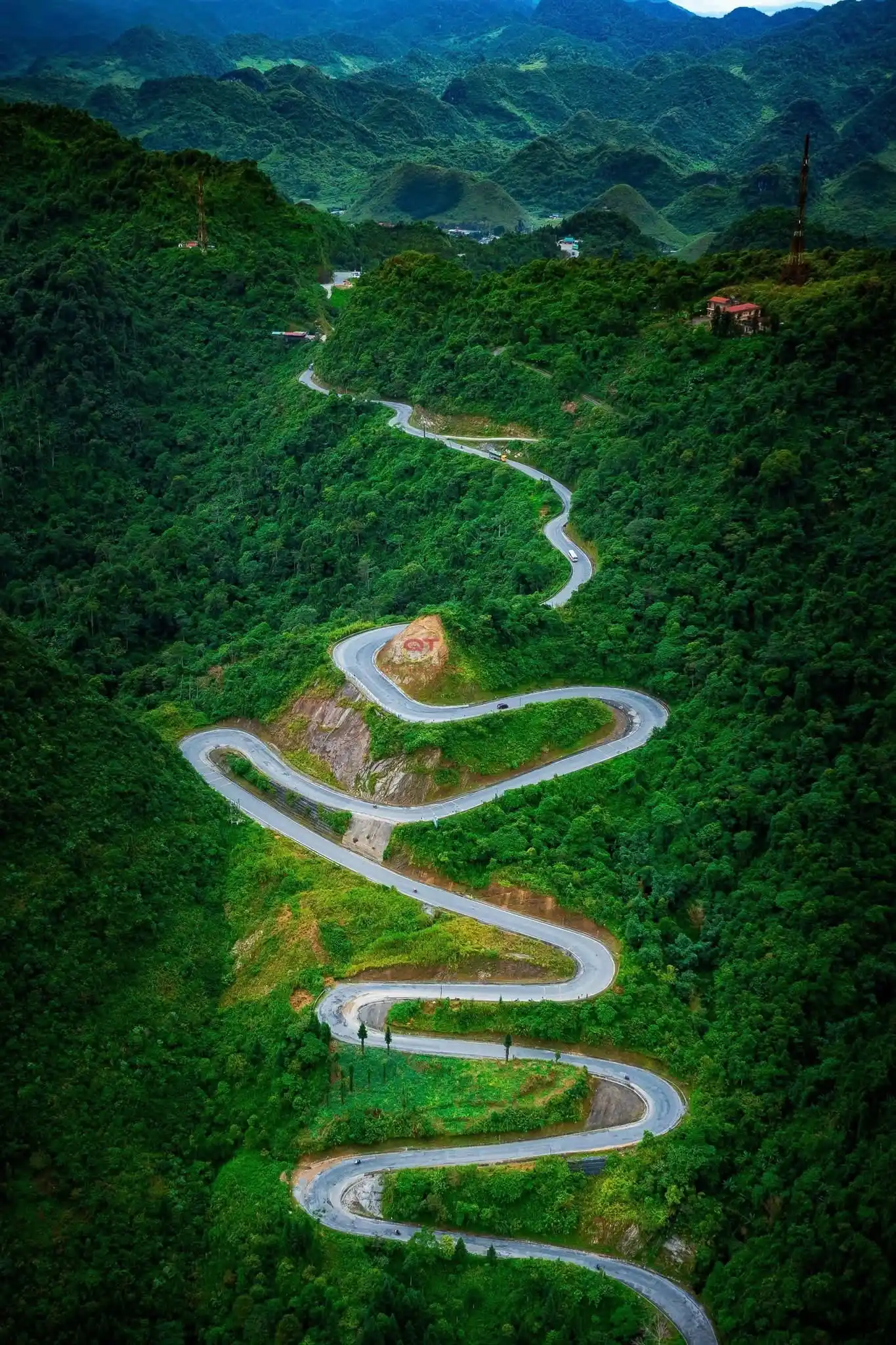
Park safely at the S-curve bends to photograph the zigzagging road against the dramatic mountain backdrop. This location is a favorite for capturing the vertical scale of the northern highlands.
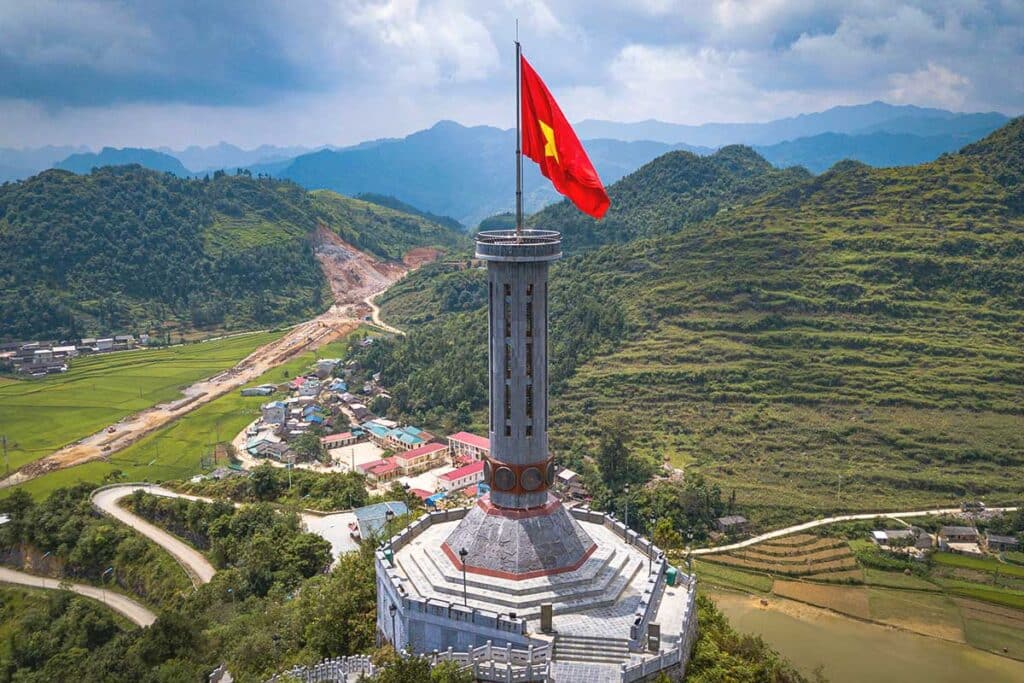
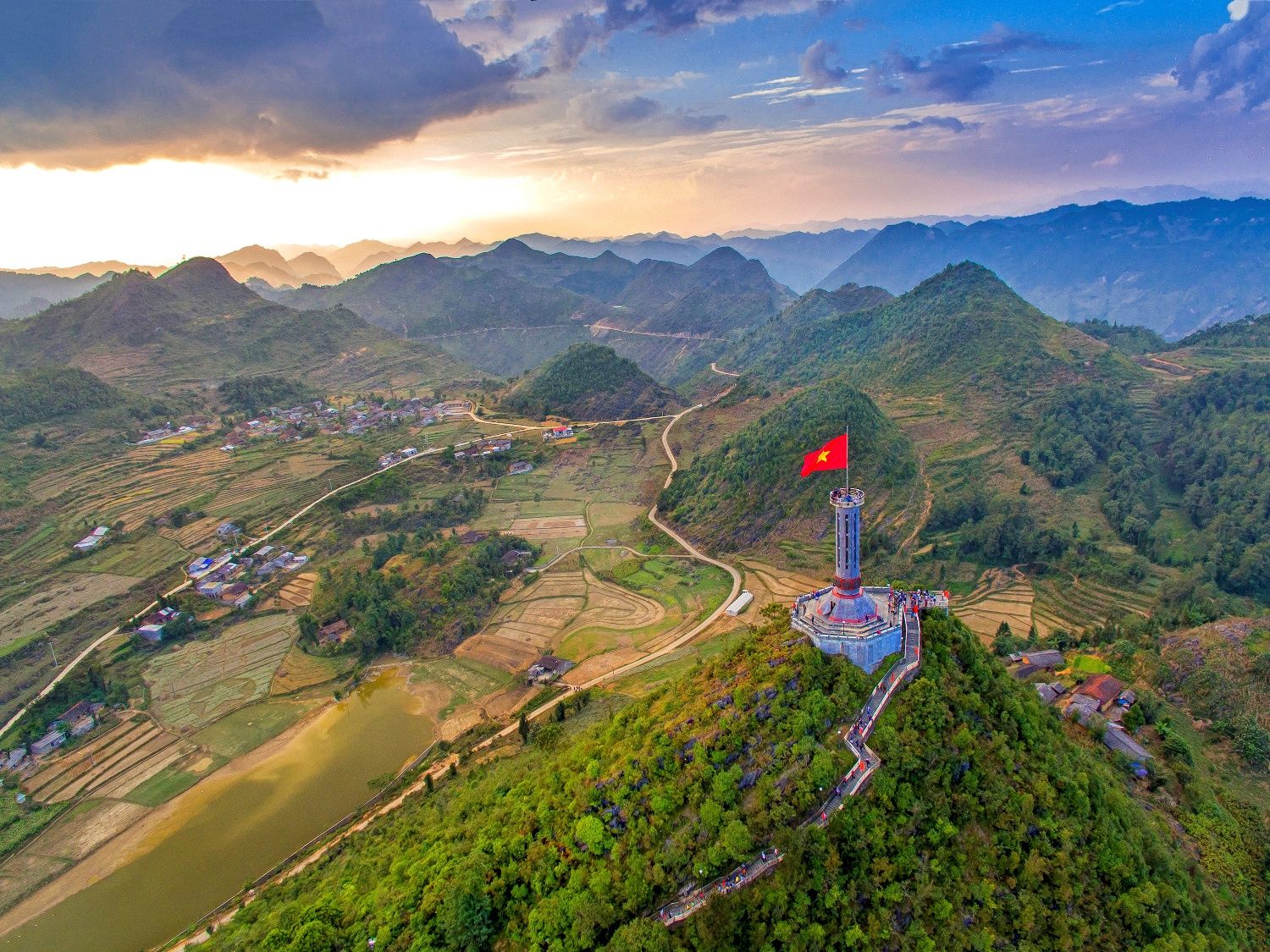
Scale the stairs to the base of the tower for a panoramic view of the border landscape and the surrounding rural villages. It offers a distinct perspective on the region as part of your sapa to ha giang loop adventure.
Travelers embarking on the sapa to ha giang loop will find that dining options are concentrated in regional hubs like Dong Van and Meo Vac. While sapa to ha giang loop tours often include communal homestay meals, local street food and bistros offer authentic regional flavors.
Located in Dong Van, this spot serves traditional thang co and buckwheat cakes. It is popular for dinner and fills up quickly when sapa to ha giang loop tickets are checked by group leaders.
Real experiences from real travelers
The sapa to ha giang loop delivered everything I hoped for and more. We covered the full route in four days, staying in homestays each night. The Ma Pi Leng Pass section on day two was genuinely challenging but the views over the Nho Que River made every hairpin turn worth it. Rent a manual bike if you can handle it, the automatic scooters struggle on the steeper climbs.
Rode the northern loop last month during the dry season. The road conditions from Yen Minh to Dong Van were excellent, freshly paved in most sections. Quan Ba Heaven Gate at sunrise is a must-stop, and the Lung Cu flagtower marks the true northern edge of the country. Pack warm layers, temperatures dropped to 12°C at night even in June.
Completed the sapa to ha giang loop over five days to allow extra time for photo stops. The Dong Van Karst Plateau is a UNESCO Geopark for good reason, the geology is extraordinary. We hired semi-automatic Hondas from a local shop and they handled the terrain perfectly. The Hmong and Tay villages along the route offer authentic homestay experiences.
The route from Sapa through to Ha Giang town took us longer than expected due to road construction near Bac Ha. Once on the main loop the roads improved significantly. Ma Pi Leng Pass lived up to its reputation as one of Asia's great mountain roads. Fog rolled in around 3pm most afternoons so start your riding early. The guesthouses in Dong Van and Meo Vac were clean and inexpensive.
Traveled the sapa to ha giang loop in early March when the weather was clear and cool. The visibility from the high passes was perfect, you could see 50 kilometers across the plateau on clear mornings. Local guides are available but the route is well-marked and easy to follow independently. Bring cash, ATMs are scarce once you leave Ha Giang city.
The northern mountain route exceeded all expectations. We started from Sapa and joined the main Ha Giang Loop at Quan Ba, completing the circuit in four days. The Nho Que River viewpoint at kilometer 42 of the Ma Pi Leng section is the highlight, arrive before 10am to avoid tour groups. Road surfaces are good but narrow in places, ride defensively.
Just finished the sapa to ha giang loop last week and my arms are still tired from the riding. The distance is manageable but the constant elevation changes and tight corners demand focus. We stayed in Yen Minh, Dong Van, and Meo Vac, each town had multiple accommodation options. The loop can be ridden in either direction but counterclockwise is more popular.
Rode the northern circuit in early December, temperatures ranged from 8-18°C during the day. The terraced fields were bare after harvest but the karst formations and deep valleys remain impressive year-round. Traffic was light, we encountered maybe 20 other foreign riders over four days. Make sure your rental bike has good tread, some descents are steep and loose gravel collects in corners.
The sapa to ha giang loop tours showcase some of Southeast Asia's most dramatic karst topography. We rode in October during the rice harvest, the terraces were golden and the weather was perfect. The climb up to Lung Cu is steep but the panoramic views from the border monument are worth the effort. Plan at least four days to avoid rushing.
Joined a small group tour of the sapa to ha giang loop and it worked perfectly for a first-time motorbike trip in Vietnam. Our guide knew all the best viewpoints and explained the geological history of the plateau. The homestays were basic but comfortable, and the home-cooked meals were excellent. The loop is accessible for intermediate riders, though some sections require confidence on steep grades.
Everything you need to know for your journey
The Ha Giang Loop itself has 0 VND entrance fee, though some individual sites along the route charge small fees.
Yes, all foreigners need a border permit for the Ha Giang Loop, which can be arranged in Ha Giang City.
The best arrival window is 08:00–17:00 daily to ensure safe navigation during daylight hours.
Yes, you can secure your sapa to ha giang loop tour through various online travel operators.
Beginners should book an Easy Rider tour for the sapa to ha giang loop to ensure safety with a local driver.
Wear comfortable, layered clothing and protective gear suitable for the sapa to ha giang loop climate.
Yes, most Ha Giang City hostels provide free storage for your large bags while you complete the loop.
Mobile reception is limited on the sapa to ha giang loop, so download offline maps beforehand.
Yes, villages along the sapa to ha giang loop offer traditional local food and beverages.
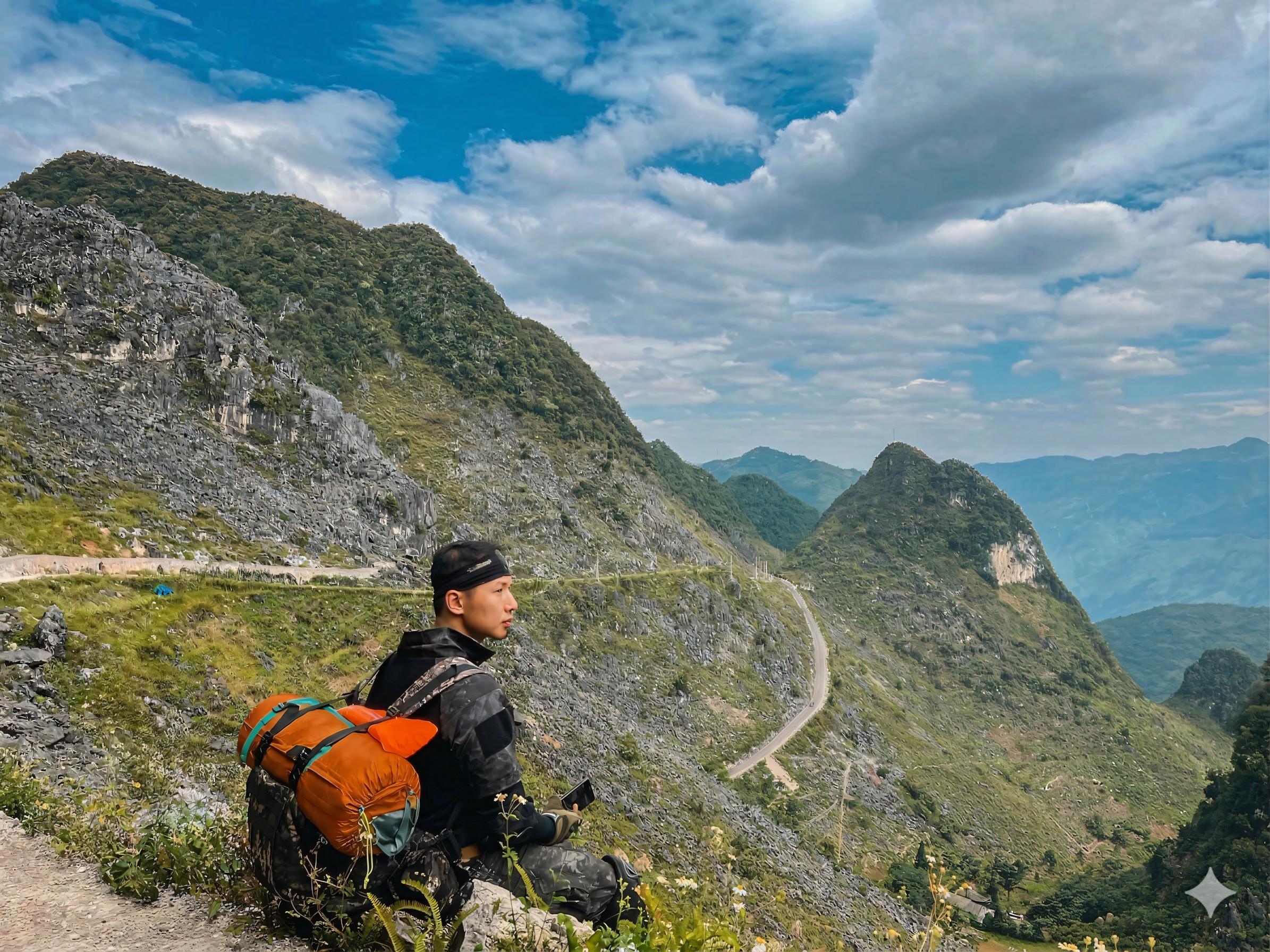
Panoramic view of the karst mountains and valleys.
Traditional style hotels and homestays.
Join thousands of happy travelers who have discovered this incredible experience
Book Your Experience Now